A few weeks back, I was sitting somewhere on Cal Ave talking to a good friend about life post-grad, and how my path ahead felt more guided by a general cardinal direction of purpose rather than specific addresses. This somehow led us to a discussion over Xi Jinping’s 7-year stint in Liangjiahe, a rural village in Shaanxi Province, where he was sent to perform manual labor. Eventually though, it became the beginning of his political climb up the CCP ladder.
To be very clear, I do not want to compare myself to this journey directly, but this came back to mind when I more literally did travel back to a rural village, and too felt like I found some footing.
The past generations in my family have always been somewhat obscure to me, not necessarily for complete lack of information but more so lack of connection. On both sides, my family comes from remote, isolated, farming villages in the mountains of Hunan — multiple trains and car rides away from the capital city Changsha — where most people live their whole lives, or if to move, venture only to the next town. Only my grandparents, amongst their siblings, left their villages to eventually settle in Yiyang, a city. And of their children, only my parents left the province, then the country, and the continent completely.
For my parents and grandparents, the mobilizing force was education. Mobility is almost unimaginable without it, when otherwise money is made from selling vegetables and rice for pennies or paving roads.

This time, we saw my grandmother’s family village of Yougang, a port village deep into the already rural region of Changde. It’s where my dad grew up until elementary school age, a few buildings and roads surrounded by fields and rivers. My dad and uncle lived with my grandmother, who was one of two elementary school teachers, in a small side office of the wooden, three-room schoolhouse. No electricity or running water, and my uncle recounted learning to cook for the family at the wood stove — but with no wood — having to constantly shove dry grasses into the furnace at the same time as he manned the stovetop.

It used to take a full and grueling day to leave the village, waking up at 3 in the morning to walk in the dark to the port by the river, sometimes riding the boat in the pouring rain. Now there are highways, a modern cushion further for those who haven’t experienced the past.

The overwhelming juxtaposition between the rural 农村 and urbanized 尘世 of China is a product of historical industrial policy that favored cities and the household registration 户口 system, compounded over time with fewer resources inhibiting parallel growth. Now, the rural villages are empty, all younger generations moving to work in cities while only the older generations stay to tend small farms.
The farms, though, are what feel the most familiar to me, in this place I’ve never personally been. Rows of beans and pumpkins and peppers, even the stalks of corn and sesame, are the little of what I know. It looks remarkably like Mebane, and the small vegetable farm I worked at during high school. I never knew why I had always felt so compelled by that place, why I felt so at peace there. But seeing my relative’s own farmlands gave me some notiom of a deeper origin.

There’s marked pointedness in the fact that it’s the farms, gardens, planted lands of agriculture, that remind me most of where I went and where I’m from. The roots, under the surface, that I seek, and the roots of who I come from.
Of course, there was a lot that was unfamiliar too. The rice plants, thousands of thousands of blades humbling in the grandeur of the seemingly cheap and common grain. Lotus ponds by the road, leaves so bi they could be worn as hats in the blazing sun, with wrapped garlands of lotus seed pods hiding below. Fish ponds sat beside them, snail shells iscarded on the side of the path.
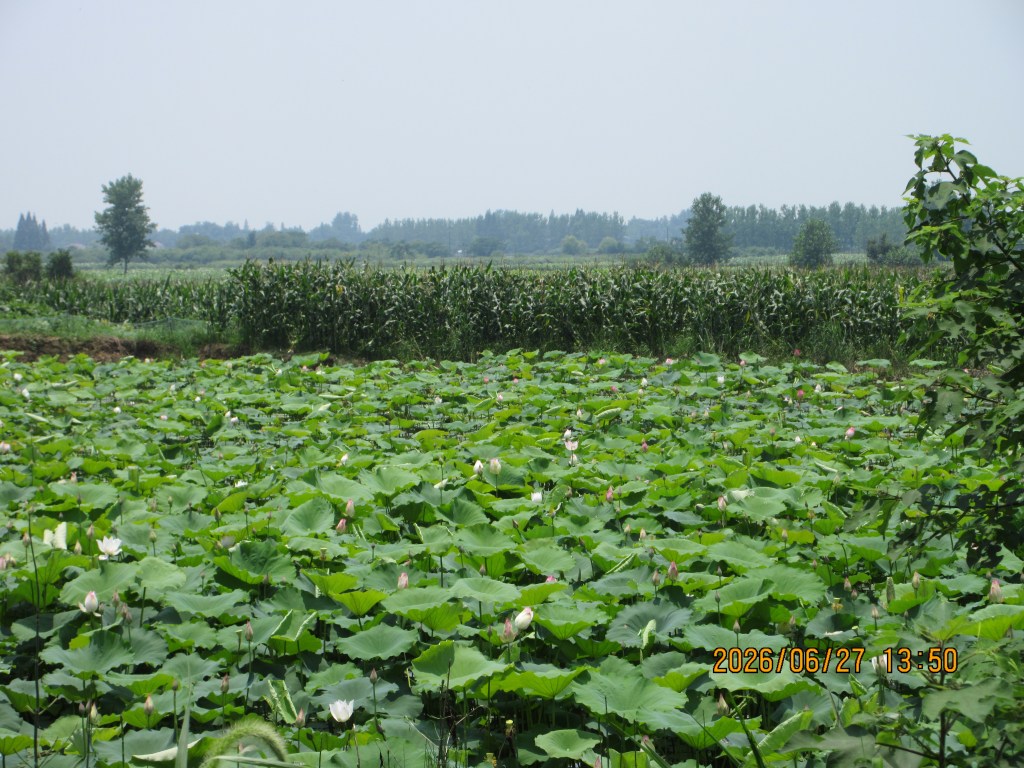
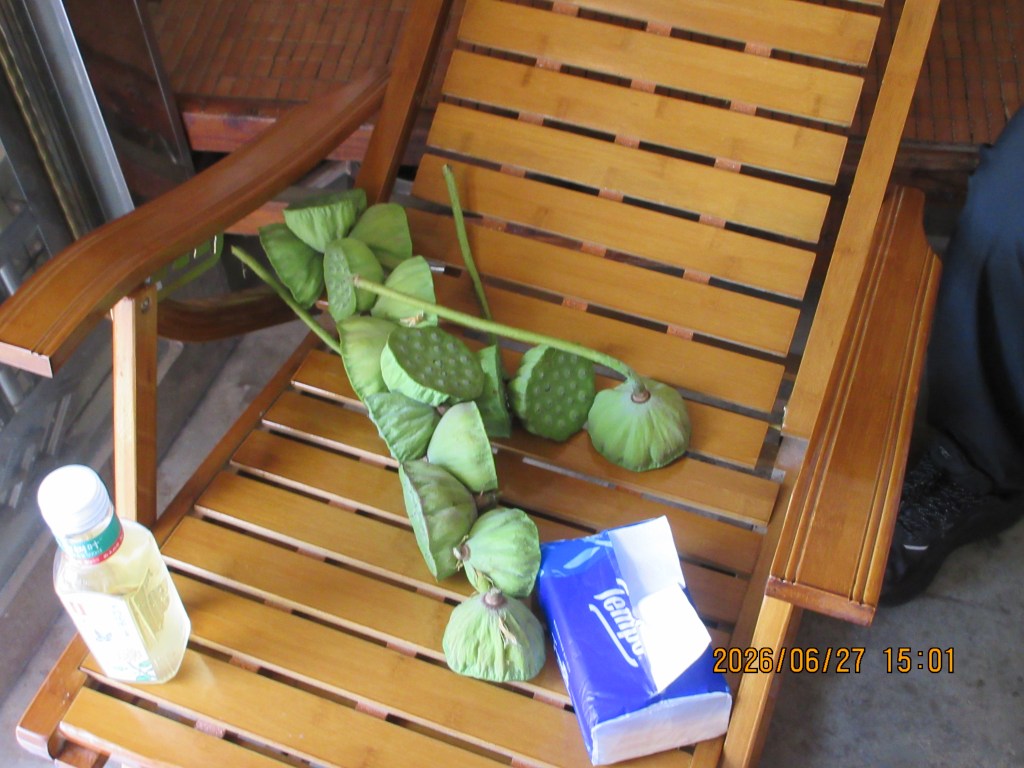
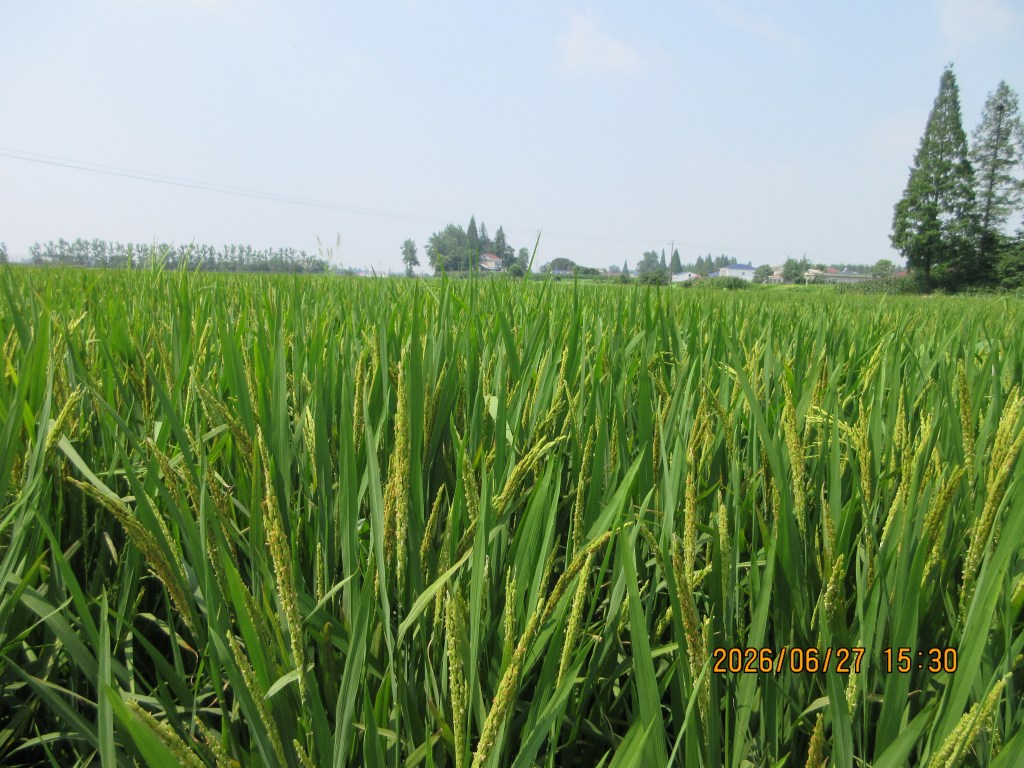
With my relatives, there is so much generosity in their welcome. The round table arranged full of dishes, sweet potato leaves and gourds and fish and chicken and goose and snails and crayfish from their land. Baijiu in a massive 2-gallon jug, poured out like water. We sat a on red plastic stools, in an egalitarian circle where the sharp differences in our lives lay plain in our faces. Some sun-baked and thin, ours plumper, paler.
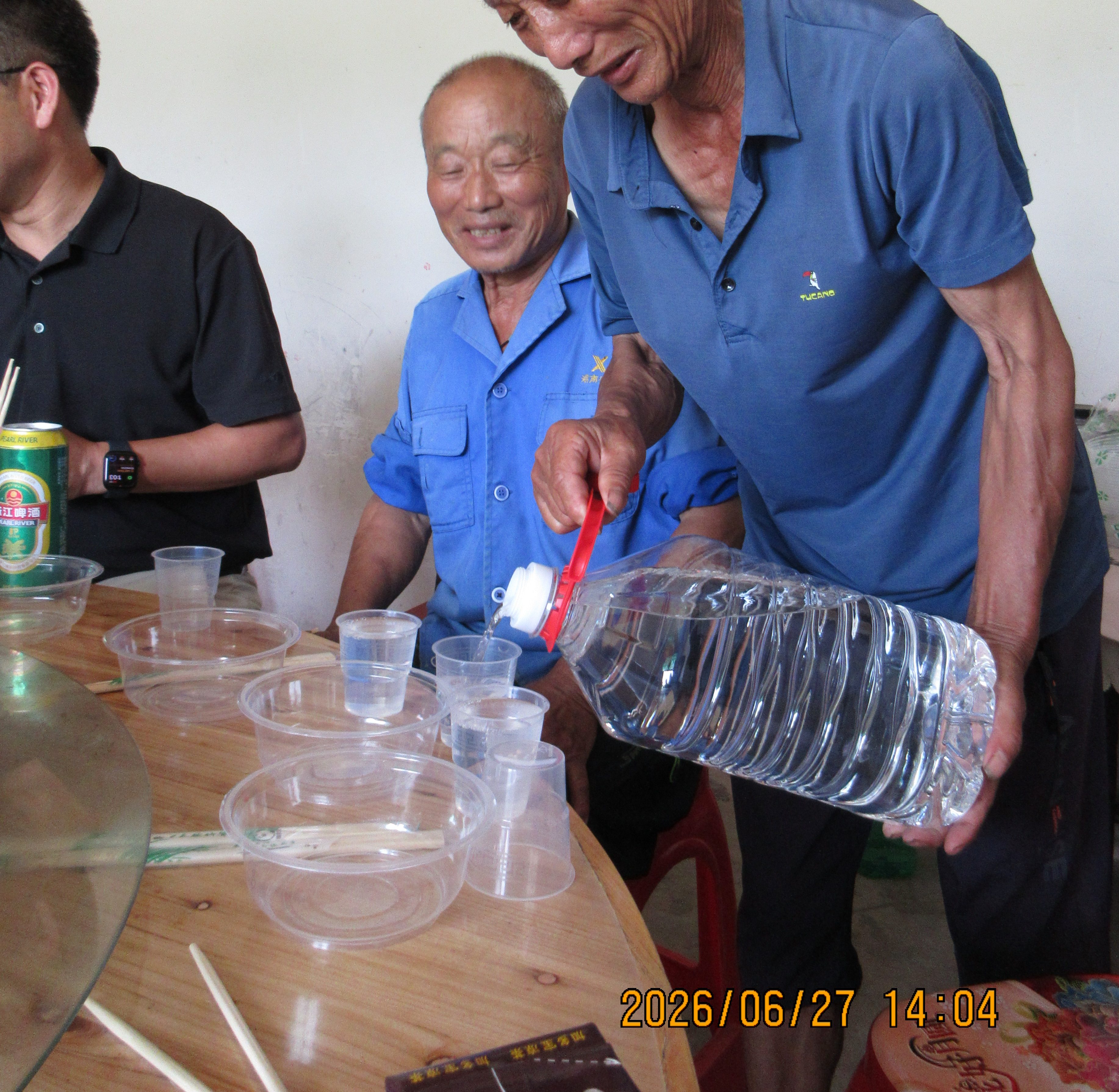
Each generation back and each family branch outward lives polynomially distinct lives. It’s hard to grasp the extent of change until the origin is found.
A feeling I’ve come to know is a certain untied, floating detachedness that might come naturally from a diasporic history but is a culmination of shallow roots of place and family. I know there are roots that run far deepr, though, and those are the ones I seek to reach at the same time I’m growing up and further away into the sky.
 cqchen life
Leave a comment