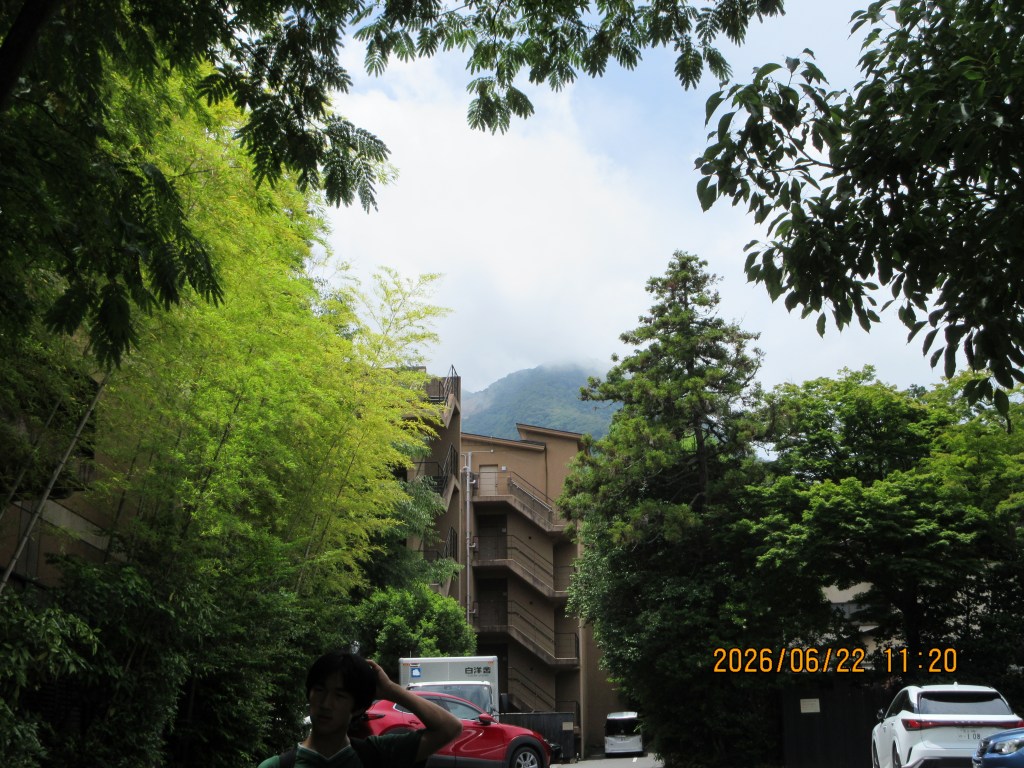
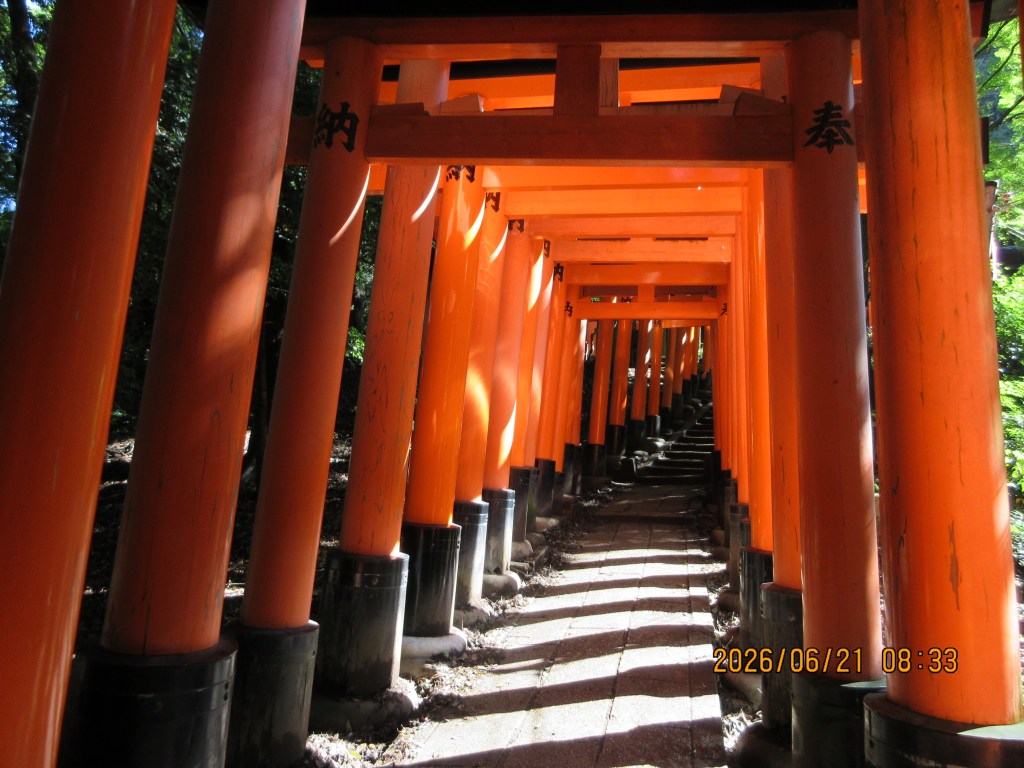
I’m back in Japan! Remarkably now within ust a couple months I’ve solo traveled, explored with friends, and now taken a family trip here, mostly through Kyoto. I’ve visited Fushimi Inari, for example, thrice in the past three months.
In many ways, Japan is a wonderful (if not the best) place to solo travel. I loved the quiet hostel in Higashiyama, trotting off everyday at whichever jetlagged hour I wished, slipping into restaurants without reservations and lingering indulgently in vintage stores. But I’m also now realizing how family-oriented the country is, and appreciating that spirit more now that my own family is here with me. Our itineraries leaned more historical, with more museums visited and within each, more time spent at every exhibit and every sign.
Summer Asia trips, formerly only summer China trips really, have been the sacred biannual pilgrimage I’ve known my whole life. The only way I can ever come face-to-face with extended family, and sometimes the only time my immediate family is altogether at once. Still, despite how central family is to the purpose of the visit, the distance in space and time between each trip exponentiates into distance in relationships. Every visit feels like a slightly new cast. Age, once a cheerful celebration of how rapid children grow up, quickly becomes a somber reconciliation with old age. Time never really feels long enough on these trips, and it seems I’m always in debt, a futile attempt to catch up on lost years with my relatives. But, this is getting away from my Japan travels — I’ll surely reflect more on this point when I get to China.
On a differeent note, language has emerged as another hot topic for me.
Literacy in the Kanji characters throughout Japan has added a great deal of logistical ease and poeticism to our time here. I’ve always remarked on the difference between English translations and their original meanings in Chinese. A lyrical cursive thought can so easily become an awkward, blocky phrase. For us, this has been most evident in place names (e.g., “Odawara” –> “小花园” meaning “little flower garden”) and particlarly seful at historical sites where signs tell ancient stories that would be butchered by Google Translate.
There are a good number of Korean tourists here, but far fewer Chinese— we had one taxi driver in Kyoto who had moved from Dongbei 30 years ago tell us about the shift over the years, as the Chinese government made it much harder to visit Japan. It is quite interesting how quickly it seems to have shifted, with far more accessibility given to the Chinese language than Korean, for example in transit.
I’m also still trying to learn Russian — I have a couple weeks before my skills are put to the test. Today I learned a new way to say “no”, or rather, “never”: when the crayfish whistles on the mountain. I can hold a most elementary conversation now, going something like this:
- Hi, my name is Caroline. What’s your name?
- Nice to meet you.
- I don’t speak Russian. I speak English and Chinese. Do you speak English?
- Thanks, bye. Good luck. I love you.
I am noticing some unexpected similarities between Russian and Spanish, from the way verbs are conjugated to words for specific things like pronouns and “library.” I believe there are structural origins of the parallel trends, which makes sense somewhat based on geography, but is surprising from how distinct the modern cultures seem.
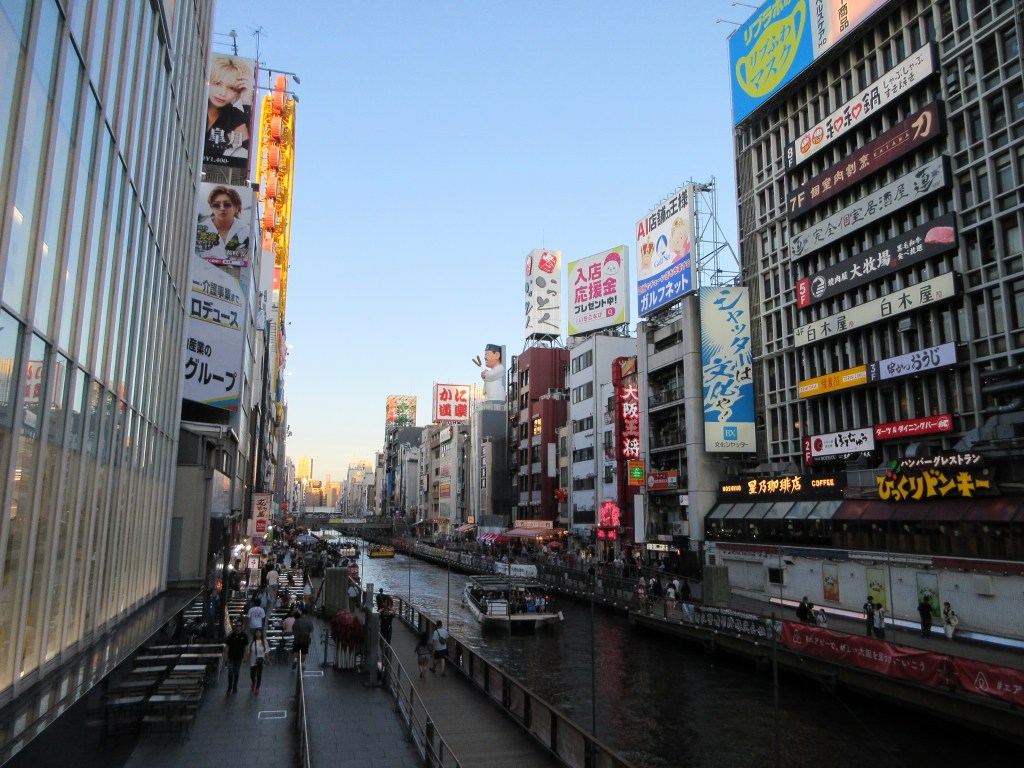
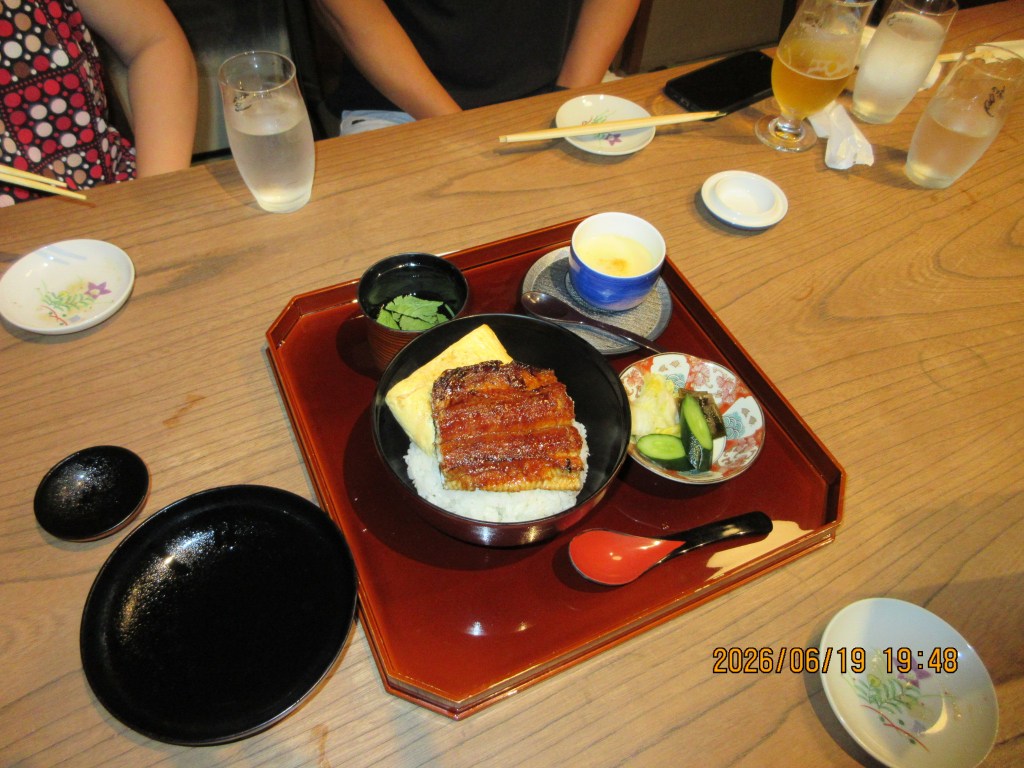
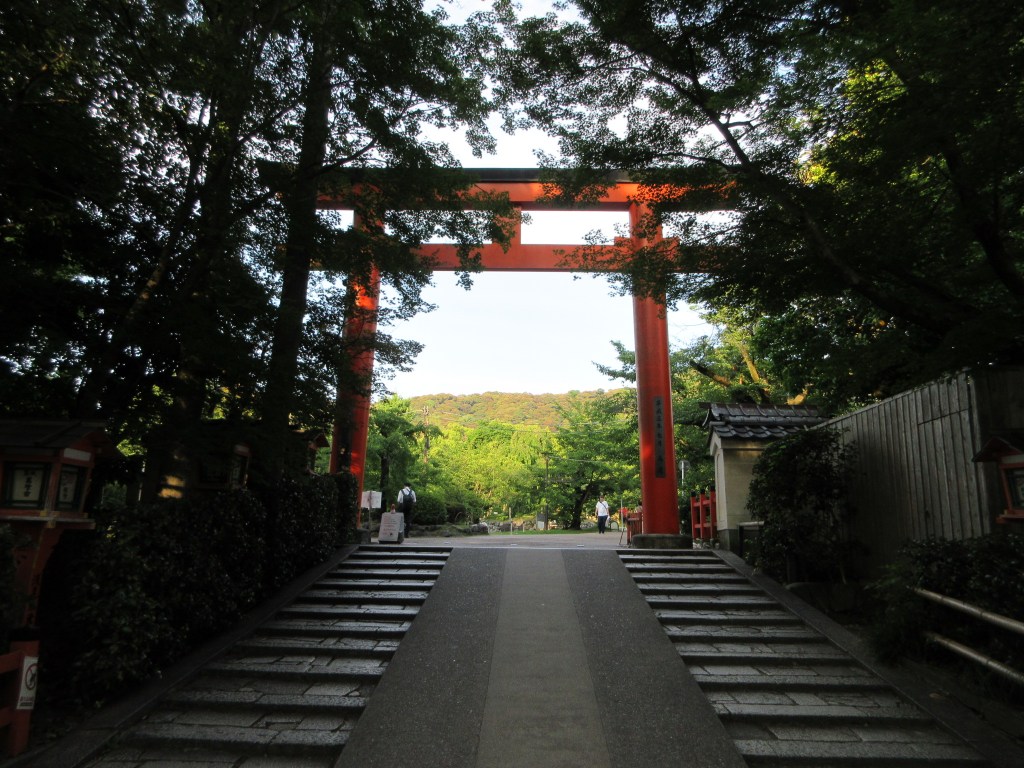
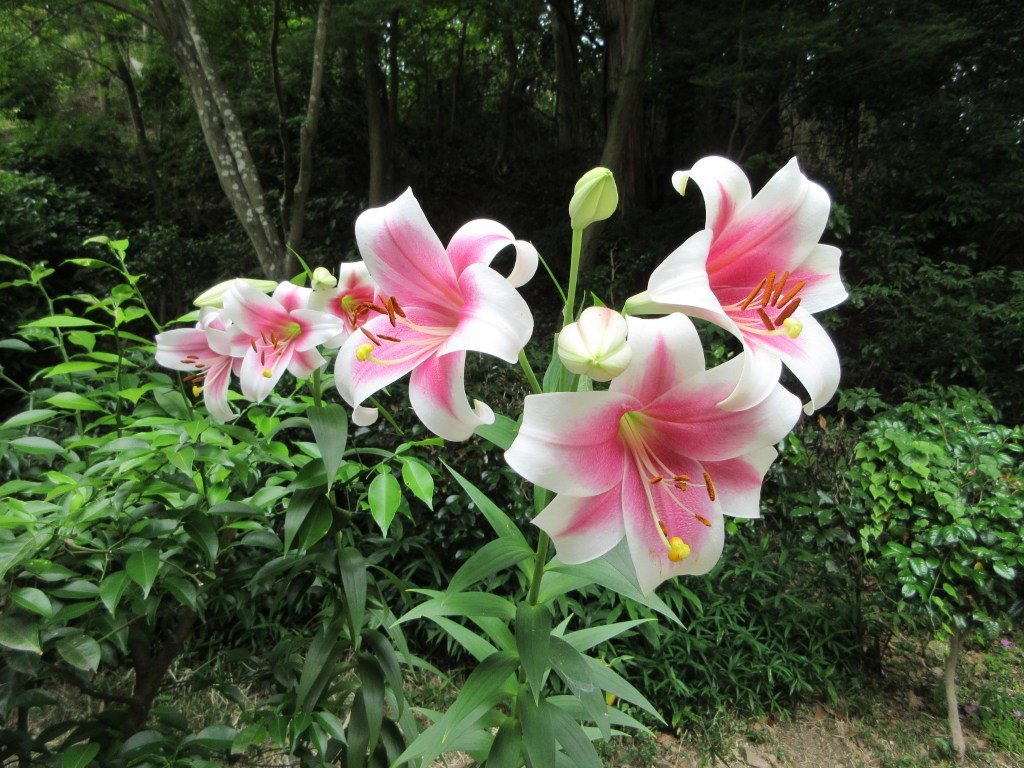
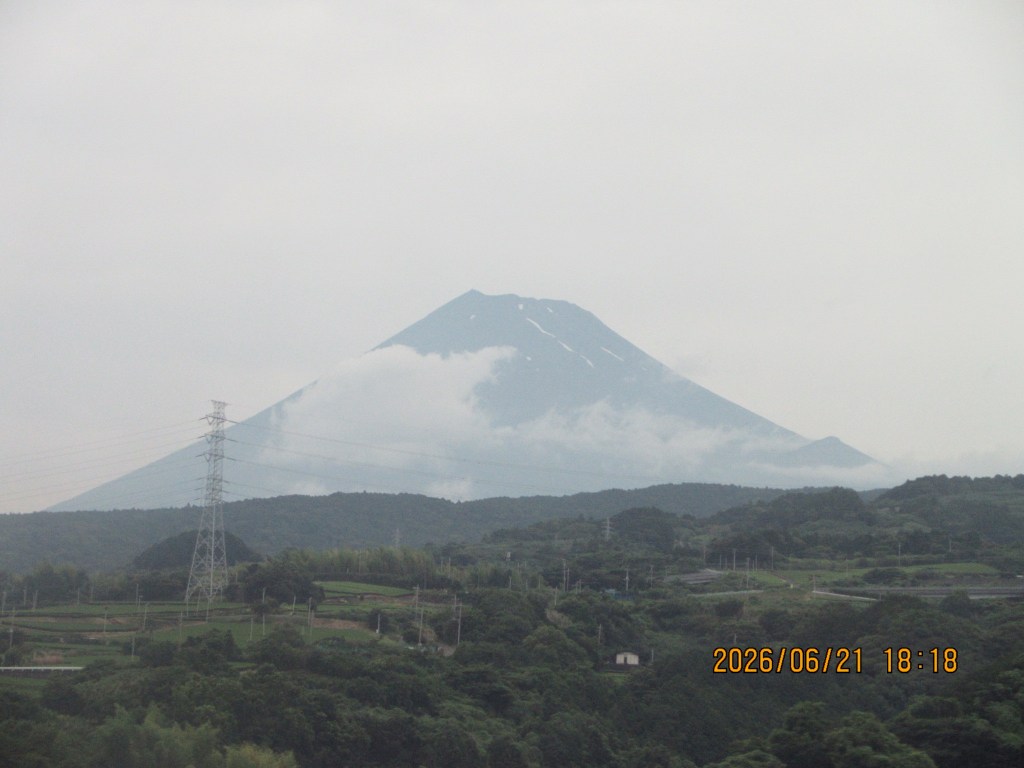
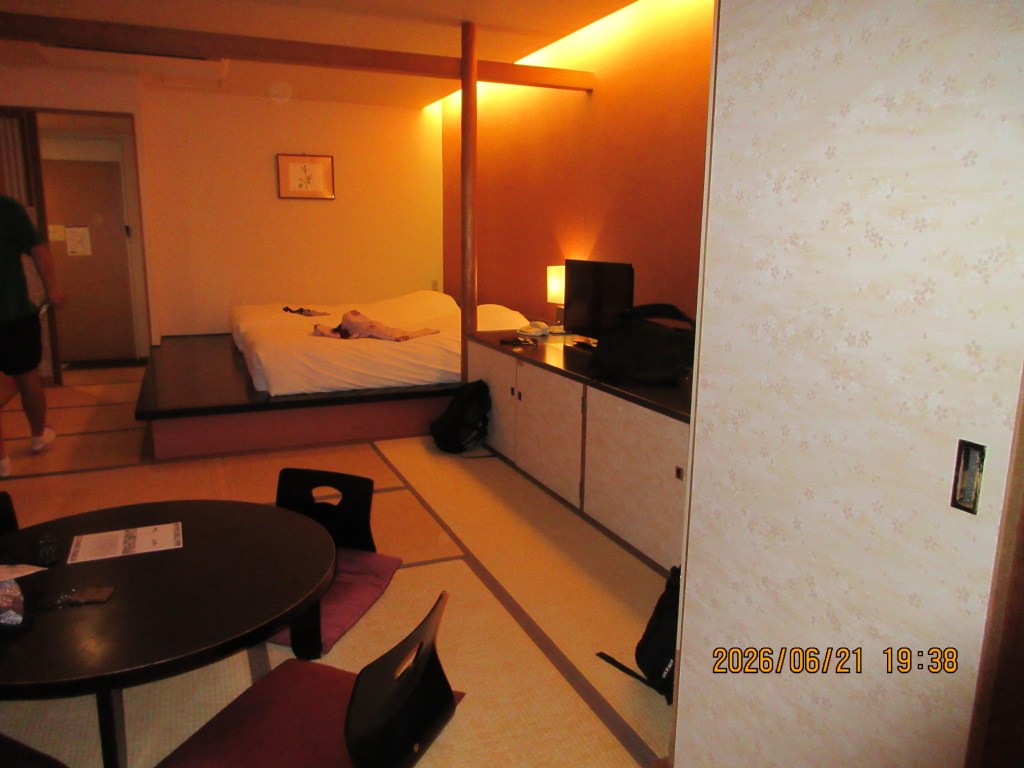
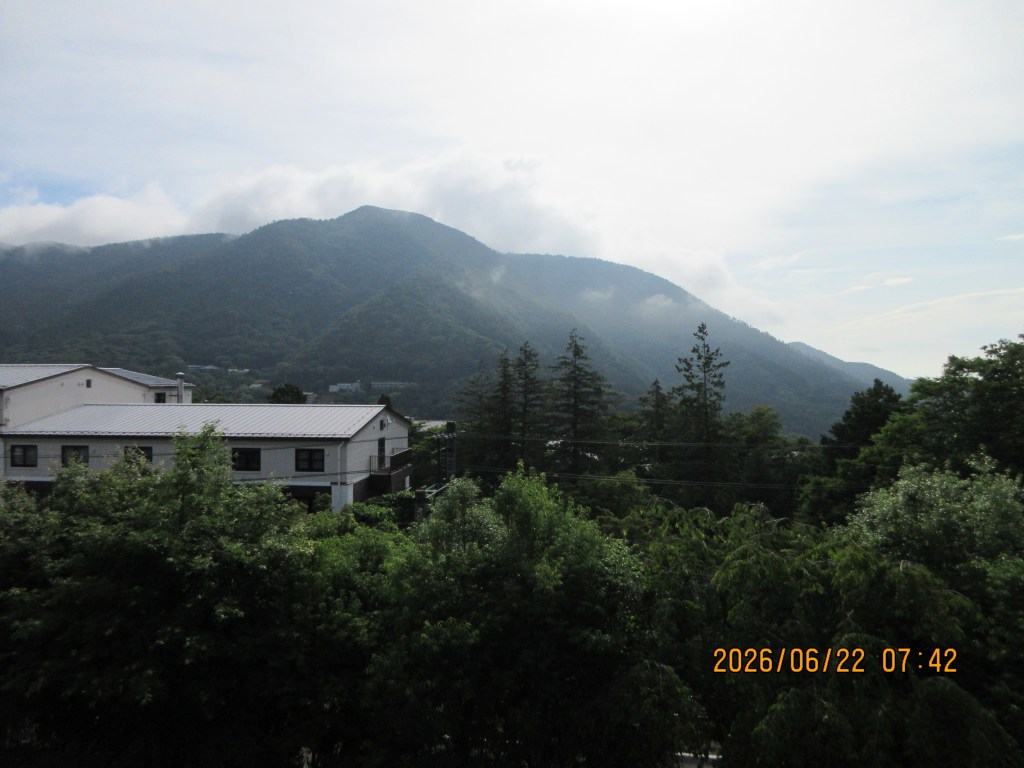
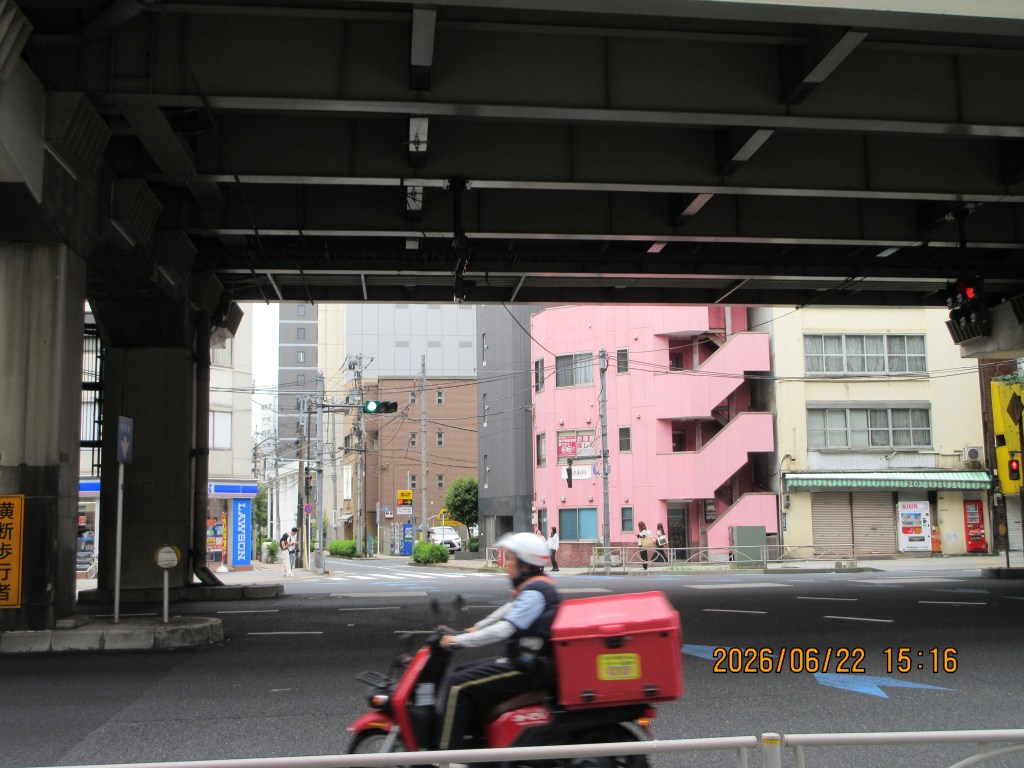
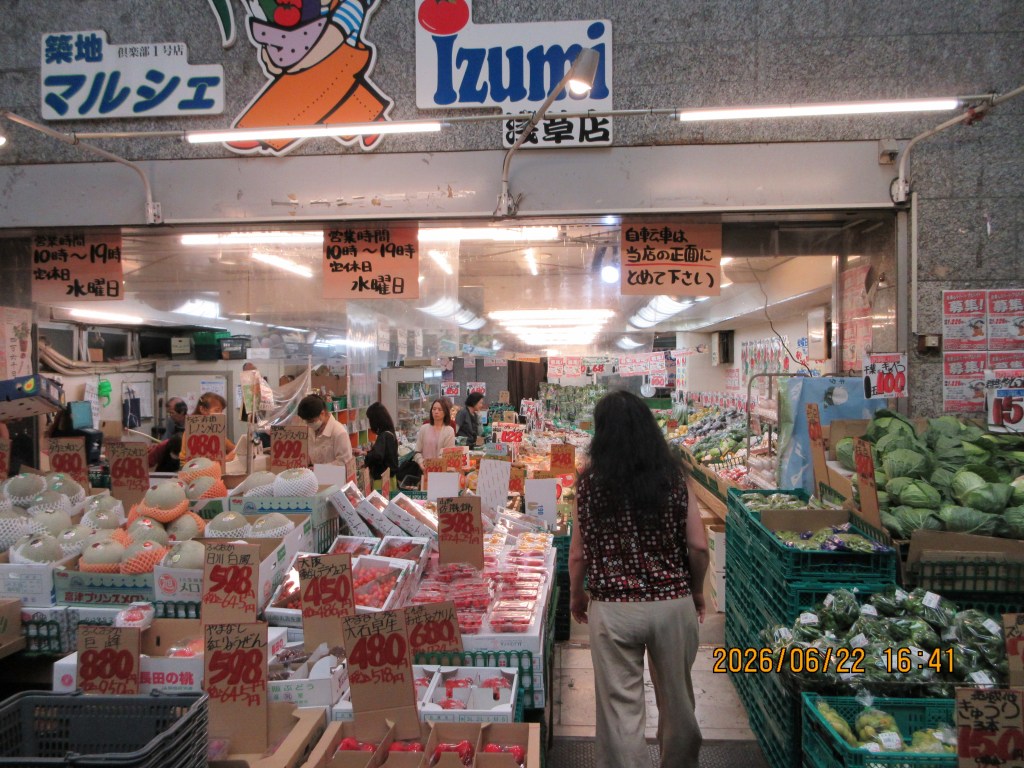
Well, in the spirit of making this some semblance of a rtravel blog, here’s a quick multimedia recap of my past week in Japan.


Leave a comment